Online grocery shopping has moved from a convenience feature to a core consumer behavior across the UK and global markets. In 2026, grocery delivery platforms are no longer competing solely on product range or delivery speed—they are competing on operational efficiency, reliability, and intelligence. At the center of this evolution is app development, guided by the expertise of a capable grocery app development company.
Modern grocery delivery apps operate as real-time supply chain systems, balancing inventory, logistics, customer experience, and margins at scale.
Why Grocery Delivery Apps Are Technically Different From Food Delivery
While grocery and food delivery apps may appear similar on the surface, their underlying requirements differ significantly. Grocery platforms must handle complex inventories, variable product availability, and substitution logic.
Key challenges include:
Managing thousands of SKUs in real time
Handling substitutions and out-of-stock scenarios
Coordinating warehouse or store-level fulfillment
Ensuring accurate pricing and promotions
These challenges demand a more sophisticated app architecture than typical on-demand platforms.
Core Components of a Grocery Delivery App Tech Stack
A modern grocery delivery app is built on a layered architecture designed for scale and reliability.
Inventory & Catalog Management
Inventory systems must reflect real-time stock levels across stores or warehouses. App development teams often integrate POS systems or warehouse management software to maintain accuracy.
Order & Fulfillment Engine
Orders flow through multiple stages—from picking and packing to dispatch and delivery. The backend must support dynamic routing and status updates at every step.
Customer-Facing App Experience
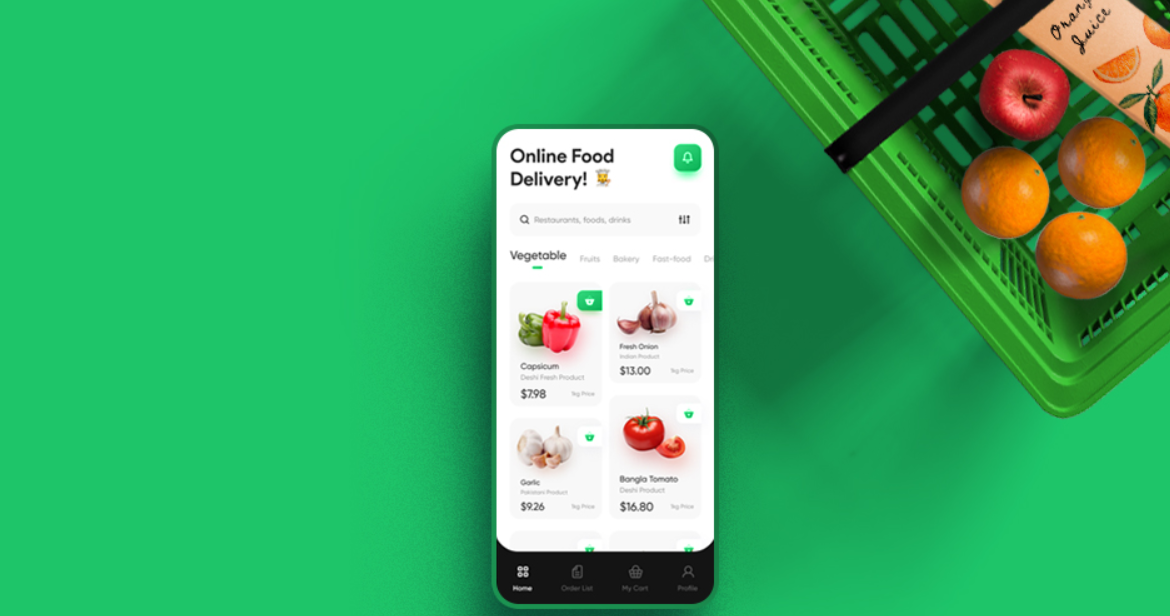
Customers expect fast search, intuitive browsing, and reliable delivery tracking. Performance optimization is critical, especially during peak demand.
Delivery & Logistics Module
Driver assignment, route optimization, and proof of delivery are essential features that rely on real-time data and location services.
Scalability Challenges in Grocery App Development
Grocery delivery platforms often experience unpredictable spikes in demand due to promotions, holidays, or external events. Scalability must be built into the system from the start.
Scalable app development strategies include:
Cloud-native infrastructure
Distributed databases for high availability
Asynchronous processing for order workflows
Load balancing across services
Without these foundations, platforms struggle during periods of rapid growth.
Personalization and User Retention in Grocery Apps
Personalization plays a growing role in grocery apps, helping platforms increase basket size and repeat usage.
Common personalization features include:
Product recommendations based on purchase history
Smart reordering and subscription options
Personalized promotions and discounts
Context-aware suggestions
These features rely on robust data pipelines and analytics frameworks.
Monetization Beyond Delivery Fees
As margins tighten, grocery delivery apps are exploring diversified revenue streams supported by technology.
Modern monetization models include:
Subscription-based free delivery programs
Sponsored product placements
Dynamic pricing and promotions
Private-label product promotion
Implementing these models requires careful coordination between frontend experiences and backend logic.
Multi-Panel App Development for Grocery Platforms
Like food delivery apps, grocery platforms require multiple user panels:
Customer apps for ordering and tracking
Picker apps for in-store or warehouse fulfillment
Driver apps for delivery operations
Admin dashboards for analytics and control
Ensuring seamless communication between these components is a key app development challenge.
Data and Analytics as Operational Drivers
Every grocery order generates data that can improve efficiency and profitability. Successful platforms use analytics to:
Forecast demand by location and time
Optimize inventory replenishment
Reduce waste and spoilage
Improve delivery accuracy
Without integrated analytics, platforms operate reactively rather than strategically.
Security and Compliance Considerations
Grocery apps handle personal, payment, and location data. Security and compliance must be embedded into the app architecture.
Best practices include:
Secure payment processing
Data encryption and access controls
GDPR-compliant data handling
Fraud prevention mechanisms
These considerations directly impact user trust and retention.
Common Mistakes in Grocery App Development
Many grocery delivery startups face challenges due to early technical decisions. Common pitfalls include:
Poor inventory synchronization
Over-reliance on manual processes
Limited scalability planning
Weak exception handling for substitutions
Addressing these issues early reduces operational risk.
Teams like Bestech build grocery delivery platforms with scalability, data accuracy, and operational efficiency at the core—helping businesses manage complexity while delivering reliable customer experiences.
The Future of Grocery Delivery App Development
Looking ahead, grocery delivery apps will increasingly integrate AI-driven demand forecasting, automated fulfillment, and deeper supply chain visibility. As competition intensifies, technology will remain the primary differentiator.
For businesses entering or expanding in this space, choosing the right grocery app development company and investing in robust app development will be essential for long-term success.
In a market defined by logistics precision, technology is the engine that moves groceries from cart to doorstep.